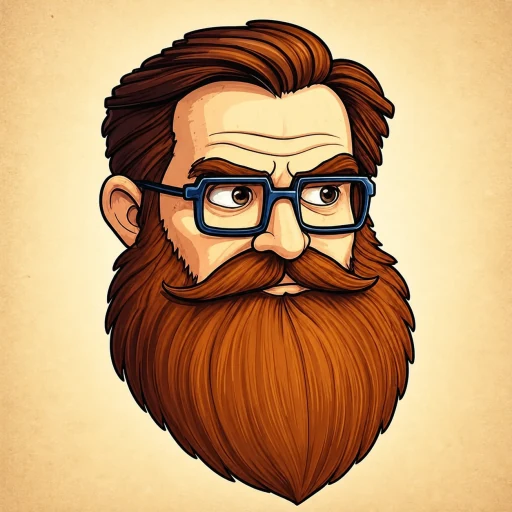

Lake Berryessa: The Hooded Phantom
Napa County, California, September 27, 1969. The late-afternoon sun hangs over Lake Berryessa, the kind of place where college kids go to disappear from homework, parents, jobs, and the general racket of being young. Bryan Hartnell, 20, and Cecelia Shepard, 22, have found a quiet spot near the water. Playing cards are nearby. The lake is calm. The road is far enough away to feel irrelevant.
Then a man steps out from behind a tree.
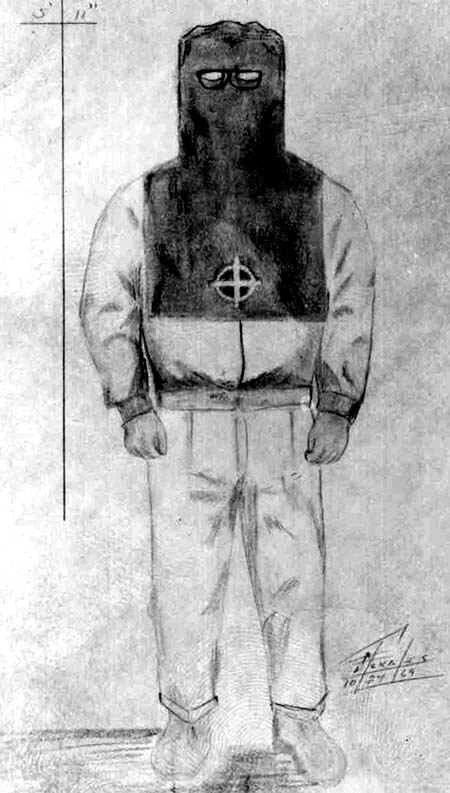
He is not the faceless shooter from Blue Rock Springs. Not the unseen gunman from Lake Herman Road. This time the killer comes dressed for the part: black hood, clip-on sunglasses, and a white crossed-circle symbol on his chest. He carries a pistol. A knife rides at his side. He tells them he is an escaped convict, needs money, needs their car, needs them tied up.
That was the story, anyway. Good story. Bad evidence.
What followed was not robbery. Hartnell's wallet and car keys were not taken. The hooded man tied them, stabbed Hartnell first, then turned on Shepard. Hartnell survived. Shepard died two days later. The killer walked back to Hartnell's Karmann Ghia, wrote his resume on the passenger door, and later called Napa Police from a payphone to report what he had done.
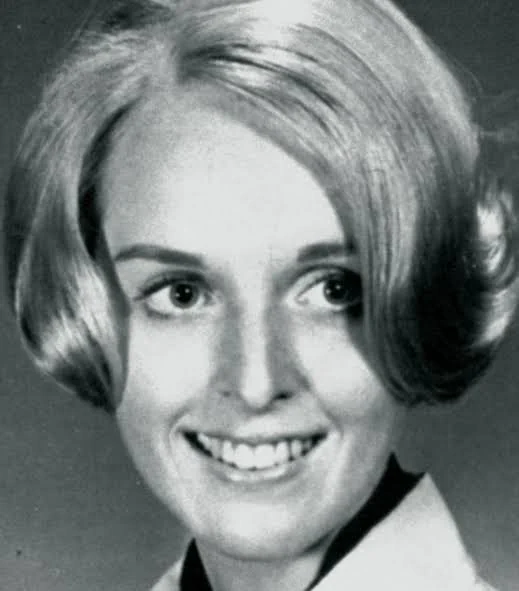
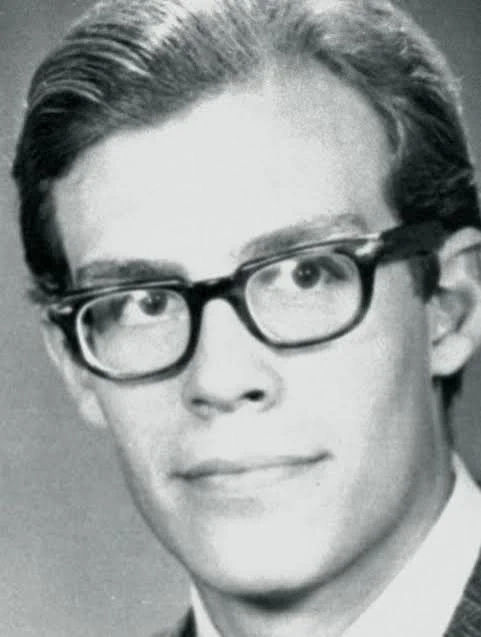
Lake Berryessa is where Zodiac stopped merely claiming crimes and started staging them. The question is not whether the hood mattered. Of course it mattered. The question is what it was for: disguise, drama, or both.
The Scene: A Lake Turns Hostile
Lake Berryessa was not a dark lover's lane. That is what makes the attack so strange. Lake Herman and Blue Rock Springs were nighttime ambushes, built around headlights, distance, and confusion. Berryessa happened in daylight, in open country, with the killer standing close enough for conversation.
Hartnell later told investigators that he and Shepard had been lying near the shoreline when Shepard noticed a man behind a tree. The man approached with a black automatic pistol and claimed he had escaped from prison in Montana. The details were melodramatic: Deer Lodge, a killing, a guard, Mexico. It sounded like a story built out of pulp paperbacks and cheap nerve.
But the props were real. Hartnell described a black cloth hood covering the man's head and shoulders, with clip-on sunglasses over the eye openings and a white symbol on the front. He could see dark brown hair through the eyelets. He described the man as roughly 5'8" to 6' tall, heavyset, perhaps 225-250 pounds, and speaking in a measured voice with a drawl he could not quite place.
The attacker had Shepard tie Hartnell's hands. Then he tied Shepard's hands, retied Hartnell, and bound their ankles. Hartnell tried to keep him talking. That instinct may have saved his life, or at least bought him minutes. As the bindings tightened, Hartnell said the suspect became nervous and shaky while tying Shepard's hands.
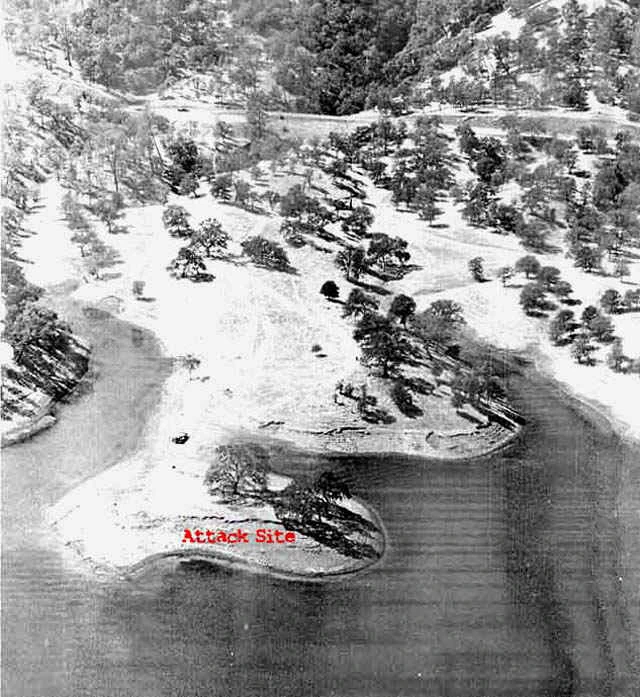
Then, Hartnell said, without warning, the man stabbed him in the back.
That order matters. Hartnell's statement puts him first. He said the attacker stabbed him repeatedly, perhaps six times. Hartnell played dead. The man then crossed to Shepard and stabbed her repeatedly in the back. When she turned onto her back, he stabbed her in the lower abdomen. Hartnell said the attack on Shepard was worse, almost frenzied.
And no, this is not the pulp version where Hartnell supposedly asked to be stabbed first because he was "chicken." Hartnell later rejected that line, and good for him. Bad early reporting is not a witness statement; it is fog with a byline.
There is your scene, stripped of movie fog: a killer who talked, posed, lied, tied, stabbed, and left two young people bleeding by a lake.
The Wounds: What The Autopsy Can And Cannot Tell Us
Cecelia Shepard's autopsy is one of those documents that should humble anyone tempted to turn trauma into arithmetic. The report lists wounds, surgical repairs, drain tubes, IV cut-downs, internal injuries, and the final medical chain of death. It does not hand us a clean frame-by-frame replay.
Still, it gives us firm ground. Dr. Wilmer A. De Petris gave the cause of death as shock and loss of blood brought on by two main stab wounds. The anatomical diagnosis traces the fatal collapse through severe hemorrhage, cerebral anoxia, and severe brain damage. In plain English: she bled catastrophically, her brain was starved of oxygen, and the hospital could not pull her back.
A nine-wound reconstruction is plausible, and it may well be right. The autopsy separates posterior lesions, anterior lesions, chest defects, surgical repairs, and a bruise. It also says the numbered lesions on an attached diagram had red circles around those apparently inflicted by the attacker. That diagram is not in the available scans. Annoying? Deeply. Important? Absolutely.
So here is the careful version: the available autopsy text supports multiple knife wounds, including serious chest and abdominal injury, with medical repair wounds mixed into the external examination. A nine-attacker-inflicted-wound reading fits the report better than the bloated ten-, twelve-, or horror-story counts that float around online, but until the missing diagram is in hand, we should not pretend the file is tidier than it is.
Back to the parts we can say cleanly. The doctor estimated the weapon at about 9-11 inches long, about 1 inch wide, possibly sharpened on both sides near the top, and heavy or sturdy, similar to a bayonet-type weapon. Hartnell, seeing it under terror instead of fluorescent autopsy-room light, described something like a long bread knife with a 12-inch blade, a hardwood handle, brass rivets, and tape near the handle.
Those descriptions are not enemies. They are two views of the same problem: witness impression and medical estimate. Put them together and the knife becomes exactly what the Berryessa attack feels like - practical enough to kill, theatrical enough to menace.
The Door: Zodiac Signs His Work
After the stabbing, the attacker did not vanish cleanly into the brush. He went to Hartnell's car.
The vehicle was parked on the east side of Knoxville Road, about seven-tenths of a mile north of Lake Berryessa Park Headquarters. It was Hartnell's white Karmann Ghia, with Oregon plates. On the passenger door, investigators found the crossed-circle symbol and a list:
- Vallejo, 12-20-68
- 7-4-69
- September 27, 1969
- 6:30
- by knife
That door is the hinge of the whole article. Without it, Berryessa might be argued about forever as an imitator, a coincidence, or a separate lunatic wearing the same mask. With it, the attack gets pulled into Zodiac's self-authored mythology.
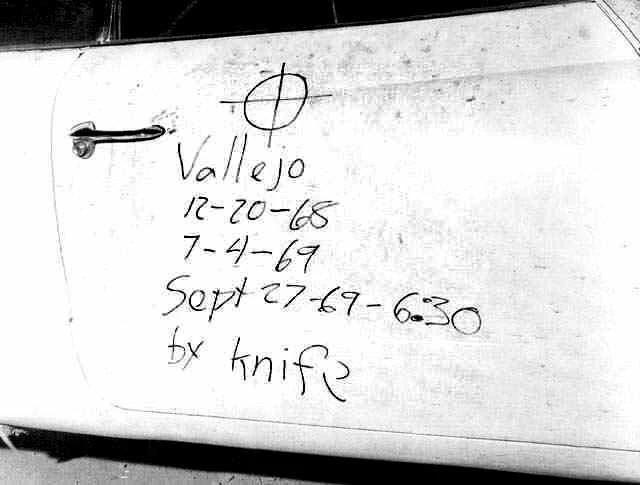
And then the handwriting mattered. On October 7, questioned document examiner Sherwood Morrill advised that the printing on Hartnell's car door was made by the same person who had sent the handprinted Zodiac letters to the Vallejo Times-Herald, San Francisco Chronicle, and San Francisco Examiner.
That is not internet lore. That is the file doing work.
Of course, Zodiac being Zodiac, the message is both evidence and performance. The dates list Lake Herman Road, Blue Rock Springs, and Berryessa like trophies. The method - "by knife" - reads like a category label. As if murder were a filing system and he was the clerk.
Spare me the genius talk. It is not genius to write on a car door. It is ego with a felt pen. But in this case, it worked. He connected the crimes, branded the scene, and gave investigators one more piece of the pattern.
The Call: "I'm The One That Did It"
At about 7:40 p.m., Napa Police Officer Dave Slaight answered a call. The voice was male, calm, and young-sounding. The caller reported a murder, corrected himself to "double murder," placed the victims north of Park Headquarters, and identified the car as a white Volkswagen Karmann Ghia.
When Slaight asked where he was, the caller gave the line that still lands cold: "I'm the one that did it."
Then the phone was set down but not hung up. The open line was traced to a payphone at the Napa Car Wash, at Main and Clinton Streets. Investigators photographed the phone booth and processed it for latent impressions. This was not a clean nothing-burger of a scene. The phone booth yielded latent lifts. Hartnell's vehicle yielded more. A green bottle near the attack area was processed too.
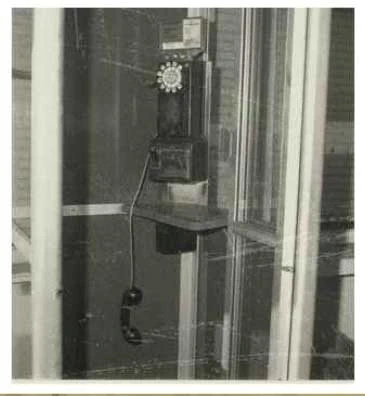
That matters because the lazy version says Zodiac left no fingerprints. The better version is sharper: investigators collected latent impressions from Berryessa-related surfaces, and later FBI work found several latent fingerprints and palm impressions of value, but no identification was made from the comparisons available at the time.
That is less dramatic than "no fingerprints." It is also truer. The case is maddening enough without sanding the facts into slogans.
The Prints And The Boots
Berryessa produced physical evidence. It just did not produce an answer.
Investigators found distinctive footprints leading to the passenger side of Hartnell's car, then tracked prints down toward the lake and back toward the parking area. The impressions measured about 13 inches long, with a parallel tread-bar design and a circular design in the instep. Plaster casts were made.
That led Napa investigators to the wing-walker shoe trail. At Travis Air Force Base, officers found a shoe matching the cast design. The cast measurements pointed to a military 10.5R, roughly a civilian 10.5D. That sounds juicy, and it is worth paying attention to. But it is not a fingerprint with laces.
The reports also explain why the shoe lead got slippery. About 100 pairs in that size had moved through sales over the previous 13 months. Another report said 500-1,000 wing-walker shoes had been sold as surplus on the base. DoJ later noted that several companies made the same style under government contract and that roughly 100,000 pairs had been manufactured and shipped to the West Coast for Air Force and Navy distribution since 1966.
So yes, the boot print matters. No, it does not point to one man.
The same goes for the tire impressions found about 20 feet behind Hartnell's car. They were photographed and cast. They gave investigators measurements and tread patterns. They did not hand over the killer's name, license plate, or breakfast order. Good evidence can still be blunt evidence.
The Hood: Disguise, Theater, Or Both?
The hood is why Berryessa feels different.
At Lake Herman Road, the killer hid in darkness. At Blue Rock Springs, he used a flashlight and speed. At Berryessa, he came in daylight, close enough to speak, and wore a handmade costume with his own symbol on it. That is a different level of performance.
And the timing matters. The reports include other possibly relevant sightings around Berryessa that afternoon: three Pacific Union College women described a heavyset man in dark clothing watching them near the beach after arriving in a light/silver-blue Chevrolet, and a doctor and his son later reported a heavyset white man walking in the area, though investigators doubted that second man could have reached the attack scene on foot unless he had a nearby vehicle. Those sightings do not prove they saw Zodiac. They do show why the hood should not be treated as if he wore it casually all afternoon. The crime-scene report even notes soil samples taken from behind the tree where the suspect reportedly stood to put the hood on. That sounds like a mask donned for the act.
The practical explanation is obvious: he needed to hide his face from anyone who might see him before, during, or after the attack. But that cannot be the whole answer. Hartnell's statement suggests the attacker intended both victims to die, and the later phone call suggests he believed he had killed them. If the witnesses were not supposed to survive, then the hood was not only about keeping his face out of a police report.
A plain mask would hide him. A hood with the crossed-circle does something uglier: it daunts. It turns a man with a gun and knife into an apparition with a brand. Hartnell and Shepard were not merely being threatened; they were being made to look at the killer's chosen image of himself. The mask helped control the victims before the ropes did.
It also gave him insurance. If a fisherman, ranger, or passing couple stumbled into the scene at the wrong moment, the hood bought him a layer of protection. Not perfect protection - broad daylight is still broad daylight, genius - but enough to keep a sudden witness from seeing the one thing he could never change later: his face.
And that may be the key to Berryessa. The lie about prison, the pistol displayed before the knife, the binding ritual, the hood, the symbol, the car-door tally, the phone call - all of it is control. He controls what they see, what they fear, what the police read, and what the newspapers can print.
This was not just escalation in weapon choice. It was escalation in authorship.
The Investigation: Work, Limits, And Bad Luck
Napa did not simply shrug and wander off. The reports show a busy investigation: scene processing, casts, photographs, evidence collection, phone-booth tracing, latent lifts, shoe follow-up at Travis Air Force Base, a Hartnell hospital interview, and later interagency contact.
That does not mean the investigation worked. It means the failure was more specific than "the cops did nothing." Better to be precise and save the shouting for where it belongs.
The investigators had a survivor, but a survivor who had been stabbed repeatedly, sedated, and interviewed in a hospital. They had a costume description, but not a face. They had shoe impressions, but from a common military-style shoe. They had latent impressions, but no identification. They had a phone call, but no recorded voice match. They had a knife attack, but no recovered knife.
And they had jurisdictional geography doing what it always does in this case: making everything harder. Vallejo, Napa, San Francisco, county sheriffs, city police, state examiners, federal labs - everyone had pieces. No one had the whole board in real time.
The most tempting criticism is that Napa did not link up with Vallejo early. The source record is not that simple. Napa investigators met Vallejo officers on October 1 and exchanged information about Blue Rock Springs and Berryessa. They were also talking to Travis AFB about the shoe evidence. DoJ records show later cross-case coordination and document examination. The better criticism is duller and more damning: 1969 systems were slow, local, paper-heavy, and easy for a mobile offender to outrun.
Zodiac did not need superhuman brilliance. He needed distance, costume, nerve, and the limits of his era.
Suspects: The Hood Fits No One Cleanly
Here is where we resist the carnival. Berryessa is catnip for suspect arguments because it has the hood, the boots, the knife, the car-door writing, and Hartnell's surviving account. It feels more concrete than Lake Herman. That feeling is dangerous.
The Berryessa heat check does not solve anything.
- Arthur Leigh Allen - Heat after Berryessa: moderate. Allen remains the famous shadow over this part of the case. He lived in Vallejo. His name appears again and again in later suspect discussions. The boot-size issue has been used to make him feel closer to the scene. But the print evidence is class evidence, not identification. A size-and-style match does not put a man on Knoxville Road with a knife in his hand.
- Paul Doerr - Heat after Berryessa: low to moderate. Doerr is interesting for letters, ciphers, and later behavioral claims, but the Berryessa file does not give us a direct bridge from Doerr to the lake.
- Richard Gaikowski - Heat after Berryessa: low. Gaikowski stays low unless the later San Francisco material changes the picture. The lake file does not put him under the hood.
- Gary Francis Poste - Heat after Berryessa: fringe / unsupported. Poste fares no better here. Berryessa should not be forced to carry claims the evidence has not earned.
No named suspect gets anywhere close to a solid case from Berryessa. The honest answer is irritating but necessary: Berryessa gives us a vivid offender profile and several useful evidence trails, but it does not name the man under the hood.
Back to the file. That is where this case always drags us.
Why It Matters: Zodiac Becomes A Character
Lake Berryessa is the moment Zodiac becomes a character in his own production.
The earlier attacks were brutal, but they could be described without stagecraft: a dark road, a parked car, gunfire, a phone call, letters afterward. Berryessa is different. Here the killer appears in costume, tells a false story, binds his victims, changes weapons, writes on a car door, and calls police from town. He does not merely commit the crime. He packages it.
That packaging should not make him seem grand. It should make him seem smaller, in a way. The hood is not the work of an evil mastermind. It is a coward's disguise with a logo on it. The crossed-circle did what he wanted it to do: it made the violence legible as Zodiac. But the costume also tells us he was afraid of being seen.
Cecelia Shepard was not a symbol. She was a young woman at a lake with a friend. Bryan Hartnell was not a prop. He was a survivor who gave investigators one of the clearest windows into Zodiac's behavior. The killer tried to turn them into entries on a door. The least we can do is refuse to let the door be the only thing we remember.
Berryessa matters because it shows Zodiac's method and his insecurity in the same frame. He wanted control. He wanted credit. He wanted the terror to arrive already branded. And for a while, it did.
Coming Up: Presidio Heights
Next comes October 11, 1969: San Francisco, a Yellow Cab, and Paul Stine dead at Washington and Cherry. Zodiac will trade the lake costume for city streets, mail a piece of Stine's shirt, and turn a police-radio mistake into one of the case's most maddening legends.
Did the hood hide Zodiac's face, build his myth, or expose the cowardice under the performance? Drop your thoughts below or on X with #ZodiacKiller.
Discussion
Thoughtful, good-faith discussion is welcome.
Loading comments…