

The Suspect Circus: Heat Is Not Proof
There is a point in every famous unsolved case where the suspect list starts breeding in the walls.
One man has the right shoes. Another has the right glasses. Another liked ciphers. Another lived too close to something, or too far from something, or wrote a sentence in a small magazine that looks sinister if you squint hard enough and forget how many strange people were writing strange things in California in 1969.
Welcome to the Zodiac suspect problem.
By now the case has given us five confirmed dead, two survivors, authenticated letters, ciphers, phone calls, a car-door message, a bloodstained shirt, a police near-miss story, and enough disputed side roads to keep the internet fed until the heat death of the universe. What it has not given us is a named man who cleanly survives contact with the evidence.
So this is where we pause the crime-by-crime march and look at the names.
Not to crown a killer. Not to pretend a clever theory is a verdict. And definitely not to drag percentages back onto the stage wearing a fake mustache.
This series uses suspect heat. Heat means pressure: how much the current record pushes a name into the story. It is not guilt. It is not a probability. It is not the strength of a courtroom case. A suspect can generate heat and still collapse the moment you ask the boring questions: Was he there? Did the evidence match? Can the source be trusted? Does the claim come from a report, a witness, a newspaper, a book, a forum, or somebody playing anagram roulette at 2:00 a.m.?
That distinction matters because Zodiac suspect culture is very good at one thing: turning smoke into architecture.
Let's kick the beams and see what stands.
Before The Names: The Letters Do Not Solve This
The Zodiac letters are evidence. They are also bait.
That sounds obvious, but it is the trapdoor under half the suspect literature. Zodiac promised identity. He wrote ciphers. He mailed threats. He used symbols. He made the case feel like a puzzle box. So people keep assuming the answer must be hiding in the puzzle box somewhere, tucked into a cipher, a spelling habit, a literary reference, a phrase, a map, a card, a costume, a crossed-circle doodle, a word that looks just enough like another word if you turn it sideways and light a candle.
The letters matter most when they prove authorship or show behavior.
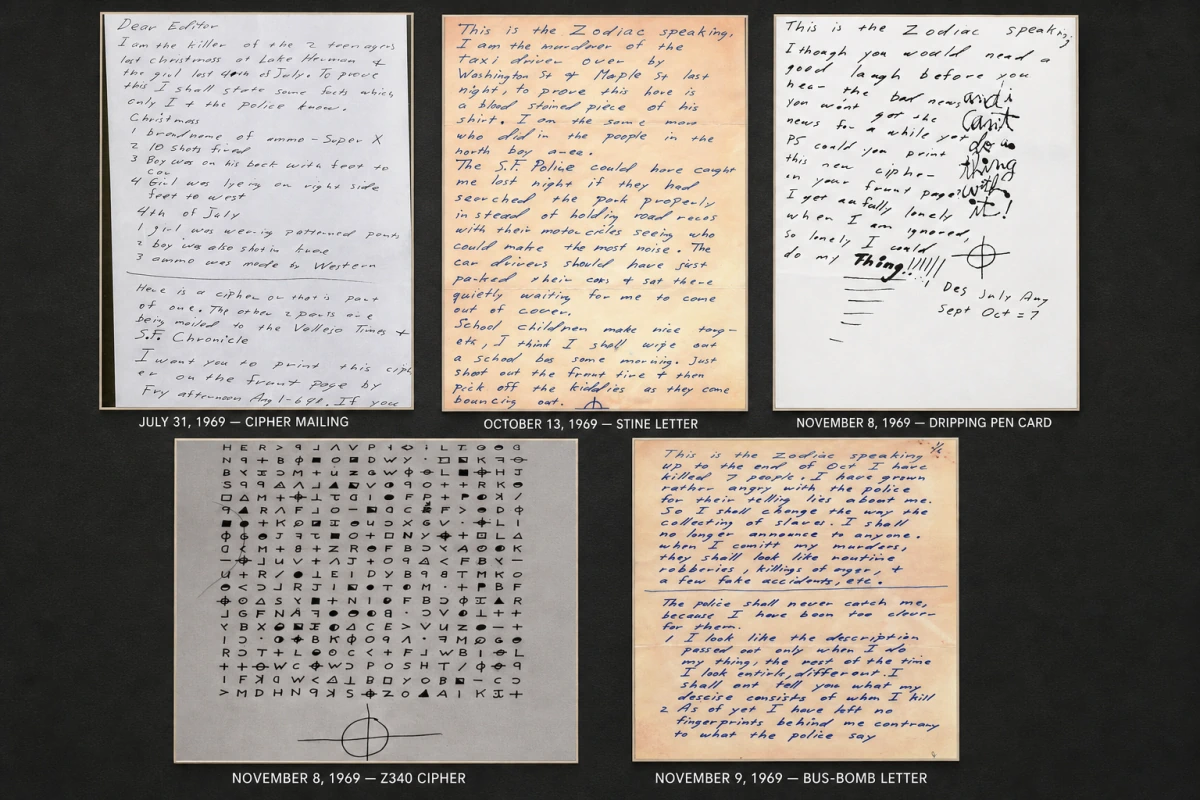
The July 31, 1969 cipher mailing matters because it connected the writer to Lake Herman Road and Blue Rock Springs, and because the 408 cipher was real. Zodiac, or the person writing as Zodiac, could make a functioning homophonic substitution cipher. Donald and Bettye Harden solved it quickly, and the message showed the killer's performance voice: killing as pleasure, murder as theater, the self as monster.
The 340 matters differently. It became myth because it stayed unsolved for 51 years. When David Oranchak, Sam Blake, and Jarl Van Eycke finally solved it in 2020, the result was important but not case-ending. The plaintext did not name Zodiac. It did not whisper "Arthur" or "Paul" or "Richard" or "Gary" from the grave. It gave us more of the same performance: the gas chamber, death, "paradice," slaves, taunting, persona.
That is useful. It is not a confession with a return address.
Oranchak's 2018 talk, given before the solution, is helpful because it shows how the cipher looked to serious codebreakers before the breakthrough. Z340 did not look like a normal homophonic cipher that everyone had simply been too lazy to solve. It looked like homophonic substitution plus something else: a twist, probably before the substitution layer, maybe transposition, maybe mistakes, maybe some homemade wrinkle. That is the kind of detail that makes the eventual 2020 solution feel earned.
But even that does not identify the man.
The later "My name is" cipher did exactly what the title promised and then refused to pay the bill. The bomb letters and map material escalated the terror campaign. The claimed victim counts grew far beyond the five murders law enforcement could definitely connect to Zodiac. Those letters can tell us about the offender's need for control, his appetite for publicity, his technical preoccupations, and the way he used fear as a second weapon.
They do not let us pick a suspect by vibe.
So when we turn to the names, keep the letters in their lane. They raise heat for people with real writing, cipher, bomb, publication, or cultural overlaps. They do not magically turn overlap into identity.
Arthur Leigh Allen: The Hottest Bad Case
Arthur Leigh Allen is the suspect who will not leave the room.
He is the name most casual readers know. The Vallejo schoolteacher. The convicted child molester. The man with the Zodiac watch. The man police came back to again and again. The man whose life has been mined so aggressively that every object around him seems to have been asked, under bright lights, whether it once knew a cipher.
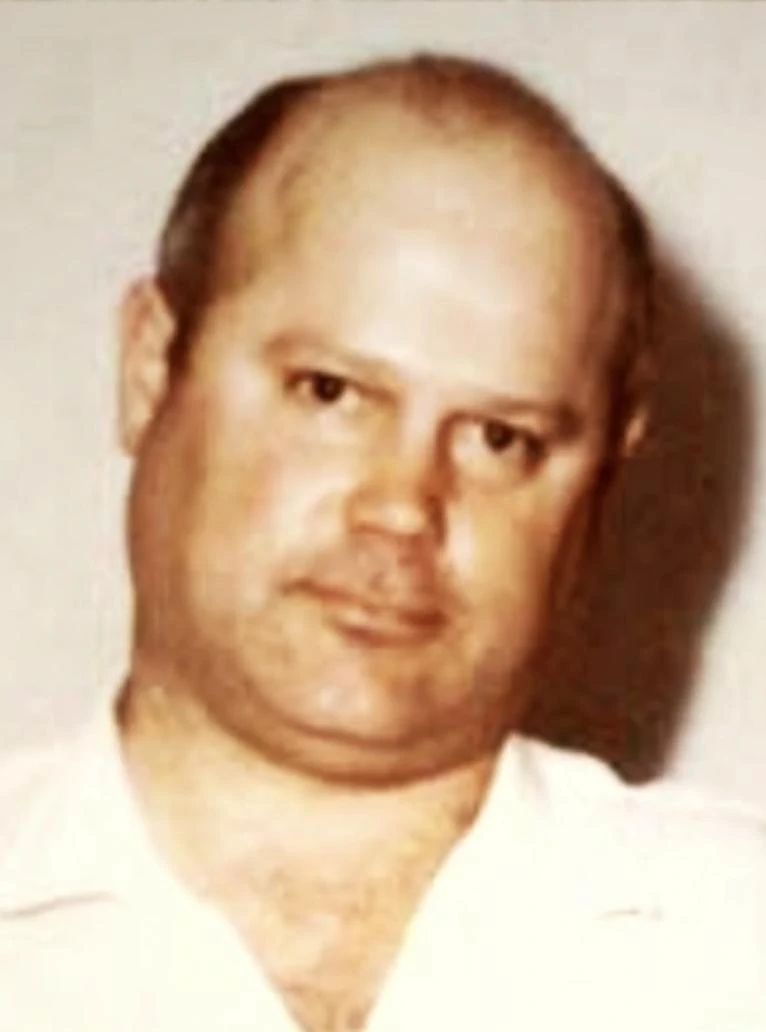
Allen has heat. Real heat. Not enough for certainty, not enough for a case that closes the door, but enough that pretending he is just another internet suspect would be dishonest.
His heat starts with geography and police history. Allen lived in the right general world: Vallejo, Blue Rock Springs, Lake Herman Road, the North Bay orbit where the first confirmed attacks happened. He was questioned early enough to matter. His property was searched in more than one investigative era. Investigators kept circling back. That alone does not prove guilt, but it explains why the name became central. He was not invented by a message board 40 years later. He was a live law-enforcement suspect.
He was also not merely a harmless eccentric dragged into the wrong story. Allen had a criminal history that matters to his biography and public suspect profile. He was sent to Atascadero after admitting guilt in a child molestation case. Earlier police material also describes concern about his interest in children. That does not make him Zodiac. The leap from child sexual abuse to the Zodiac murders is not evidence. But it does mean the reader should not be asked to imagine Allen as merely misunderstood. He was a dangerous man in ways that are documented outside the Zodiac theory.
Then there is Michael Mageau.
Mageau survived Blue Rock Springs. Decades later, in the early 1990s investigative material, he identified Allen. That is Allen's sharpest pressure point. It is also the place where the floor gets slick.
A survivor identification matters. It cannot be waved away because it is inconvenient. But this one came after more than 20 years, after trauma, after pain, after publicity, after the Zodiac case had become a cultural object with Allen already glowing in the suspect field. Mageau was attacked at night, blinded by a light, shot repeatedly, and trying not to die. If we make his later identification do more work than it can bear, we are not respecting him. We are using him.
Then there is Don Cheney.
Cheney is the reason Allen feels different from many paper suspects. According to the later report trail, Cheney said Allen had talked before the public Zodiac era about killing people in lovers' lanes, using a gun with a flashlight attached, writing taunting letters, calling himself "Zodiac," using the Zodiac watch symbol, disabling women's cars, and threatening schoolchildren on buses. That is an ugly list because it overlaps with multiple pieces of Zodiac behavior and performance.
It is also a claim that needs to be carried with both hands. Cheney was a former friend. He came forward after reading media coverage that could have awakened memory, shaped memory, or supplied detail. The Zodiac case was already public by the time investigators were evaluating what he said. Allen denied remembering such a conversation. None of that makes Cheney useless. It does mean we should treat him as a serious source of heat, not as a magic confession machine.
The searches matter too. In 1991, a search-warrant return from Allen's Fresno Street property lists items including four pipe bombs, primer cord, impact devices, safety fuses, newspapers, and bottles containing black material. That is not normal household clutter. In a case where Zodiac threatened bombs, drew bomb diagrams, and claimed future school-bus attacks, seized bomb-making material belongs in the Allen section.
But here again, heat is not identity. Those items were seized decades after the canonical crimes. Their existence shows capacity, interest, and suspicious overlap with the Zodiac letter-world. It does not prove Allen wrote the bus-bomb letter, built a Zodiac bomb, or killed anyone. To make that leap, we would need testing, provenance, dates, and a bridge to authenticated Zodiac evidence.
The same is true of the Zodiac watch. Allen reportedly received a Zodiac-brand watch before the murders, and the watch company's symbol resembles the symbol later used by Zodiac. That is interesting. It becomes more interesting because Cheney's account says Allen talked about using that symbol before Zodiac became public. But the watch by itself is not a private key. Other people owned Zodiac watches. A symbol on a watch face is not a confession.
The typewriter and weapon lanes sit in the same middle zone. Bawart's report says an older Royal typewriter with elite type was found during a search and links that to Riverside/Bates material. But Riverside is disputed terrain, and Bates is not a confirmed Zodiac victim. A 1972 search warrant shows investigators looking for the kind of physical evidence that would have changed everything: Stine's wallet or keys, a hood, boots, a knife, weapons, ammunition, clothing. Looking for those things is not the same as finding them. Finding unrelated weapons or a large knife is not the same as tying them to Berryessa, Lake Herman Road, Blue Rock Springs, or Presidio Heights.
Allen's Berryessa heat is weaker than legend wants it to be. George Bawart's report contains the hardware-store story involving Bryan Hartnell seeing Allen in the mid-1970s and judging size or voice similarity. But Hartnell did not see the attacker's face at Berryessa. The attacker wore a hood. Later Hartnell-related reporting sharply limits the story, including the point that Hartnell did not recognize Allen's voice. That is not a positive identification. It is a suspect-lore amplifier with a real source conflict attached.
Presidio Heights does not rescue him either. In later documentary-source material, Donald Fouke did not treat Allen as the man he saw after the Stine murder, pointing to Allen's weight and face shape as wrong for his memory of the suspect. Nancy Slover, who took the Blue Rock Springs phone call, is also reported in that same late-source lane as saying Allen's voice was not the voice she heard. Late witness memory deserves caution. Still, these are not helpful facts for Allen.
Then the evidence starts pushing back.
Handwriting did not identify Allen as Zodiac. That statement needs care because some records caution against eliminating him on handwriting alone. Fine. Caution accepted. But "not eliminated by handwriting" is not "identified by handwriting." Available fingerprint and palm-print comparisons did not tie Allen to Zodiac evidence either. That does not rule him out, because a latent print is only as useful as its connection to the killer. But it certainly does not rule him in. The 2002 public DNA reporting works the same way: Allen did not match a tested partial profile recovered from one known Zodiac letter, but that partial profile was not a magical final answer to the case.
That is the rhythm of Allen: heat, then drag.
The Zodiac watch is interesting until you remember that interesting is not evidence. Pipe bombs are more than interesting, but even they need a bridge. Weapons and knives and typewriters and odd statements are interesting until each one has to be pinned to a source, a date, a crime, and an authenticated piece of Zodiac evidence. Informant claims are interesting until you ask who said them, when, why, and what else supports them.
Allen is the best named-suspect lesson in the entire Zodiac case. He shows how a person can be suspicious, investigated, culturally famous, and still not become the answer.
Heat after the full suspect pass: highest named-suspect heat, still weak.
Not cleared as Zodiac. Not proven as Zodiac. Suspicious enough to discuss. Broken enough to doubt.
Paul Doerr: The Paper Trail Suspect
Paul Doerr is a different kind of problem.
Allen is the old police suspect. Doerr is the modern document suspect.
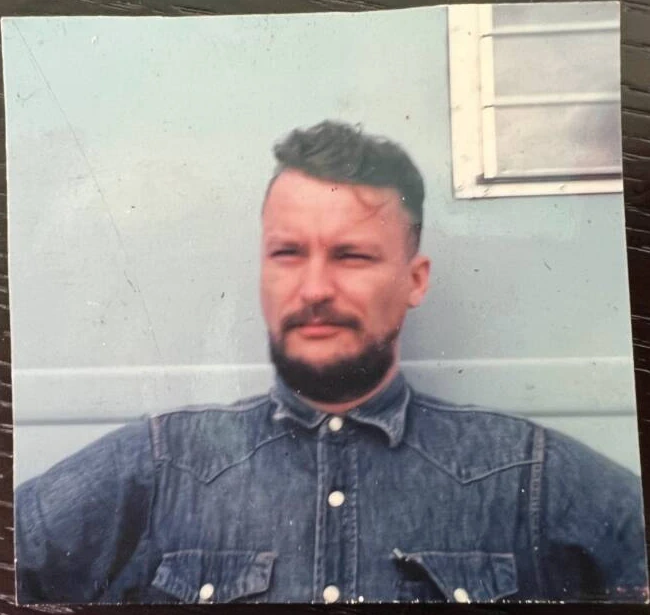
That distinction matters. Doerr was not the man police spent decades visibly circling. He entered the public Zodiac conversation much later, largely through Jarett Kobek's work and the reporting that followed it. The case for him is not built from a victim pointing at his photograph, a patrolman recognizing his face, or a search warrant turning up the bloody shirt. It is built from paper: zines, letters, classified ads, fringe politics, weapons culture, bomb-writing claims, Tolkien/Cirth/cipher interest, and the possibility that Zodiac's strange little library may have overlapped with Doerr's strange little library.
That makes Doerr interesting in a very specific way.
It does not put him at Lake Herman Road, Blue Rock Springs, Lake Berryessa, or Presidio Heights.
This is the central tension with Doerr. His heat is strongest where Zodiac was most performative: correspondence, culture, language, symbol, bomb-talk, hobbyist obscurity. If Zodiac was partly a murderer and partly an author of himself, then a suspect's reading life and writing life matter more than they would in an ordinary robbery-homicide.
The strongest Doerr lane is the alleged bomb-writing overlap. Kobek's public case says that Doerr published instructions involving ammonium nitrate/fertilizer explosives in his survivalist zine Pioneer, and that Zodiac's November 9, 1969 bus-bomb letter used similar material with a similar technical error. If that holds up against the original Pioneer page and the original Zodiac letter, it is not nothing. It would be the sort of document-level overlap that deserves a hard look.
But the "if" is doing work.
This is where suspect culture gets slippery. One person makes a claim. Then an article repeats it. Then another article cites the first article. Then a forum quotes the article, a summary quotes the forum, and suddenly the same claim is wearing five coats and pretending to be a crowd.
That is not corroboration. That is echo.
With Doerr, a lot of the public trail still routes back to the same originating argument. The ANFO claim may be strong. It may even be the best Doerr fact. But to grade it fairly, the important questions are plain: what exactly did Doerr write, when did he write it, what exactly did Zodiac write, and how unusual was the shared error? If the same formula or same mistake was circulating in Minutemen or survivalist newsletters before Zodiac wrote his bus-bomb letter, that does not make the point useless. It changes what the point means. It may show a shared source-world instead of a shared author.
That is still heat. It is not yet identification.
And that can be dangerous.
California in the late 1960s and early 1970s was not exactly starving for men with weapons, fringe politics, occult interests, fantasy literature, military residue, crank publications, and strong opinions. The counterculture and the counter-counterculture were both messy. A man could be odd, armed, literary, angry, and local without being Zodiac. If we treat every cultural overlap as rare, the suspect board becomes a junk drawer with a pulse.
The same caution applies to the Minutemen/crosshair lane. Reporting on Kobek's work places Doerr on a Minutemen membership or mailing list, and the Minutemen used gunsight or crosshair-like imagery before Zodiac made that symbol famous. That is worth knowing. It also needs discipline. A gunsight is not a private signature. Symbols travel. Men who liked weapons and paramilitary politics did not need Zodiac to teach them what a target looked like.
The Hobbitalia/Tolkien/cipher material works similarly. Doerr's Tolkien-focused fanzine is reported to have discussed Cirth, codes, and "cyphers" in the same general period when Zodiac was sending ciphers and daring newspapers to print them. That is closer to Zodiac's public performance than most suspect trivia. A local man writing about hobby cryptography in that window is relevant to the letters/profile side of the case. But hobby cryptography is not murder. The more exact the overlap, the more it matters. The vaguer the overlap, the more it becomes atmosphere.
Doerr's geography helps, but only so far. Fairfield, Vallejo, Mare Island, the North Bay orbit: that keeps him in range. Public source trails place him in that world, with a Vallejo mailing connection and Mare Island employment. He was also broadly in the right age and physical range: not a magical match, but not an obvious miss either. Family-context recollections may help explain access to the local teen geography around Lake Herman Road, Blue Rock Springs, and Lake Berryessa. But proximity is not opportunity. A map pin is not a murder weapon.
The family-context material is powerful and dangerous for a different reason. Gloria Doerr's recollections, as reported publicly, describe a violent, volatile, heavily armed father with deep fringe interests and a house full of fear. That matters as biography. It may matter as context. But family trauma should not be forced to solve a murder case by itself. The question is not whether Paul Doerr could be frightening. The question is whether he can be connected to Zodiac.
Some of the other Doerr claims live further out on the edge. One points to his reported interest in the Society for Creative Anachronism or Renaissance Faire world as a possible cultural explanation for Zodiac's Lake Berryessa hood. One points to a later Green Egg letter in which Doerr wrote a line that can be read ominously, as if a dispute had left "fewer people" around afterward. One points to a photograph of Doerr with outdoorsman gear and a knife, inviting comparison to the weapon described at Berryessa.
Those are the lanes that need to stay weak. A Renaissance Faire interest may explain a possible costume world, but it does not put Doerr under the Lake Berryessa hood. The Green Egg line may be ominous, but ominous is not a confession. The knife-photo comparison may make a reader lean forward, but a blurry resemblance between objects is not identification.
Doerr deserves space because he represents a better class of modern suspect argument. He is not built mainly from scars and anagrams. He is built from documents, interests, and a possible cultural paper trail. That is the right direction.
But the current case still has the same hole in the middle.
No scene placement. No witness identification. No forensic bridge. No public comparison that turns his writing interests into Zodiac authorship. If DNA or prints were ever compared and matched, the room would change. If the original publications show a direct, unusual, time-sensitive overlap with Zodiac's letters, the heat rises. Until then, Doerr is not a solved case. He is a serious maybe in the letters/profile lane.
Heat after the full suspect pass: moderate, mostly letters/profile.
Interesting on paper. Still not in the car, on the road, by the lake, or in the cab.
Richard Gaikowski: The Internet's Man In The Middle
Richard Gaikowski is one of those suspects who seems to gather lint from every nearby surface.
He was a journalist and counterculture figure. He worked in the San Francisco alternative press world, including the paper that became Good Times. He had Bay Area geography, Albany geography, newspaper geography, and enough odd little overlaps with the Zodiac letters to keep internet investigators busy for years. There are audio files. There are publication scans. There are passport arguments. There are voice claims. There are informant claims. There is even the kind of cipher-name claim that makes a person put the coffee down and stare at the wall for a minute.
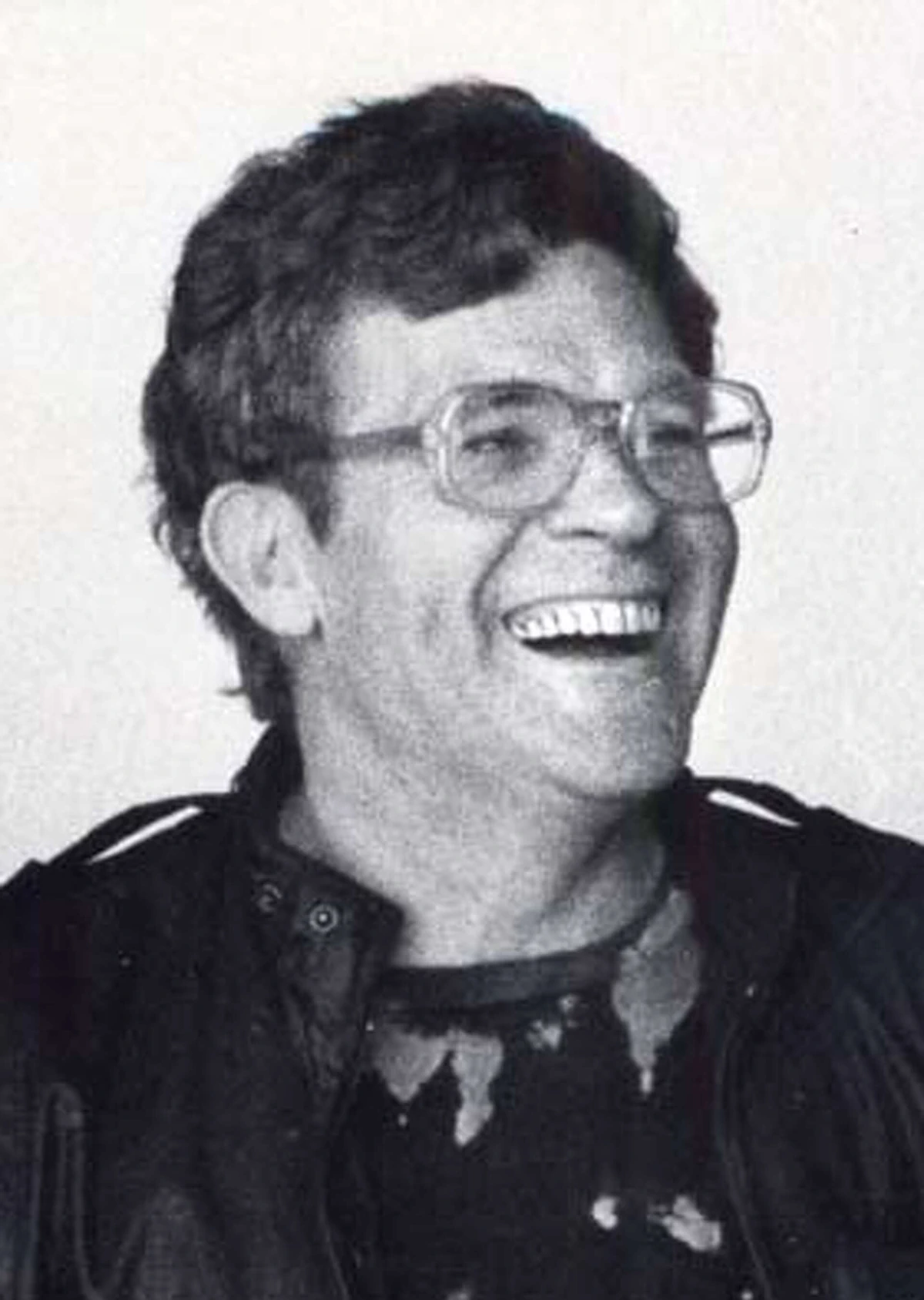
That is Gaikowski's whole problem. He is not empty. He is cluttered.
The modern Gaikowski case largely enters through the informant known as Goldcatcher or Blaine, a former Good Times associate who met Gaikowski around 1969 and later came to suspect him. Goldcatcher made recordings, contacted people in the Zodiac world, and helped push Gaikowski into the modern suspect pool. From there, the zodiackiller.com advocacy trail collected documents, photographs, audio files, publication scans, and a long list of reasons proponents thought the name deserved attention.
That trail is not useless. It preserves material we would rather have than not have. But it is also doing argument while it is doing preservation. It does not just show the reader material. It tells the reader what to see.
Gaikowski has heat, but much of it is internet heat. That is not an insult. Internet investigators have dug up real material in many cases. But suspect culture has a habit of flattening source quality. A document, a recollection, a recording, a forum post, a proponent's inference, and a clever visual comparison all get tossed into the same bowl. Then someone stirs vigorously and calls it stew.
The voice claim is the important lane. Nancy Slover was the Vallejo police dispatcher who took Zodiac's call after the Blue Rock Springs attack. Decades later, she listened to recordings of Gaikowski that had come through the Goldcatcher/Blaine source trail and reacted strongly. In the MysteryQuest material and later discussion, she treated portions of the voice as very close to the caller's and gave her opinion that Gaikowski sounded like the man who called Vallejo police.
That matters. It also needs a warning label big enough to read from the next county. This was not a contemporaneous police lineup. It was not a lab comparison. It came almost 40 years after a brief phone call, in a private, suspect-advocacy, and television context. Slover had also reacted to other voices over the years. That does not make her dishonest. It means the voice claim is subjective, late, and source-sensitive. It is Gaikowski's most important lead and his most important caution label.
The Good Times material is the next major lane. Proponents point to Good Times and Express Times items involving violence, bomb diagrams, ciphers, "Zodiac" headlines, a three-part cover on July 31, 1969, a later three-part code, and even Mikado-adjacent material. That is worth explaining because Zodiac was a writerly offender. He fed on newspapers, publicity, theatrical quotation, threats, coded games, and the feeling that the press was his stage.
But it is also exactly the kind of thing that can become pattern-matching fog. A counterculture newspaper printing violent fiction is not a murder confession. A publication running a cipher is not the same as Zodiac writing one. A Mikado notice is not authorship evidence just because Zodiac liked quoting Gilbert and Sullivan. A three-part newspaper cover on the same date Zodiac mailed three cipher parts is interesting as coincidence, but coincidence is not a chain of custody.
The cipher/name lane is weaker still. The claim that "GYKE" can be found in Zodiac's 408-character cipher is not the kind of thing I want carrying weight. People can find names in ciphers, maps, newspaper layouts, and cereal boxes if the method is flexible enough. Unless a cipher argument is independently reproducible, methodologically constrained, and accepted by someone other than a suspect advocate, it belongs in the notebook, not in the prosecution.
The geography claims are weaker than the voice claim and cleaner than the cipher games. They explain why proponents kept looking, but they do not place him at a murder. Gaikowski lived near the later Lake Herman Road geography in the mid-1960s. He and Darlene Ferrin both pass through Albany, New York, in the source trail. The Good Times switchboard has a Paul Stine proximity argument. A relative on Washington Street becomes part of the Presidio Heights story. A claimed funeral sighting adds another human recollection.
All of that is interesting. None of it is scene placement. Washington Street is not Washington and Cherry. Albany-related material is not Blue Rock Springs. A newspaper reporter or counterculture press figure appearing at the funeral of a highly publicized murder victim would be worth noting, but it would not be a bombshell by itself. A person can be near many case-adjacent dots and still never touch the crime.
The old-investigation lane may matter more than most of the internet material. The advocacy trail says Napa investigator Ken Narlow briefly looked at Gaikowski in 1986 after prompting from Goldcatcher and Pam Huckaby, made limited checks, found nothing warranting further investigation, and dropped the matter. It also claims the California Department of Justice saw handwriting consistencies and requested more samples, but that later samples were not a match and probable cause never materialized. If those records can be pinned down, they would help us keep Gaikowski in the right box: investigated enough to be interesting, but not enough to become the answer.
The passport issue belongs in the same limited box. Gaikowski's late-1968 travel story has been used both ways: as a possible alibi and as a myth to be punctured. The public material includes a passport application indicating planned travel to Europe around November 1968 and a proposed stay of about a month. That can complicate a simple claim that he was necessarily overseas on December 20, 1968. But an application is not the passport itself. It does not prove actual departure, actual return, or the stamps inside the book. If a detective or primary record reliably documented passport stamps placing him abroad during Lake Herman Road, that would carry more weight than a public application. If the public application is all we can verify, then all it does is leave the question unsettled.
And even if the application keeps him available, availability is not guilt.
Gaikowski's value in Part 6 is not that he becomes a strong suspect. He does not. His value is that he shows how an internet-famous suspect can be source-rich and still evidentially thin. There is plenty to investigate. There is not yet enough to carry.
Heat after the full suspect pass: low to moderate internet-suspect heat.
Worth a skeptical section. Not worth a crown.
Gary Francis Poste: The Press Release Problem
Gary Francis Poste is what happens when suspect culture discovers branding.
In October 2021, a private cold-case group called the Case Breakers publicly named Poste as the Zodiac Killer. Headlines followed. The group said it had identified the man behind the Bay Area murders and linked him to Cheri Jo Bates, the 18-year-old murdered in Riverside in 1966. That mattered because Bates has long floated around the edge of Zodiac discussion, even though she is not one of the confirmed Zodiac victims.
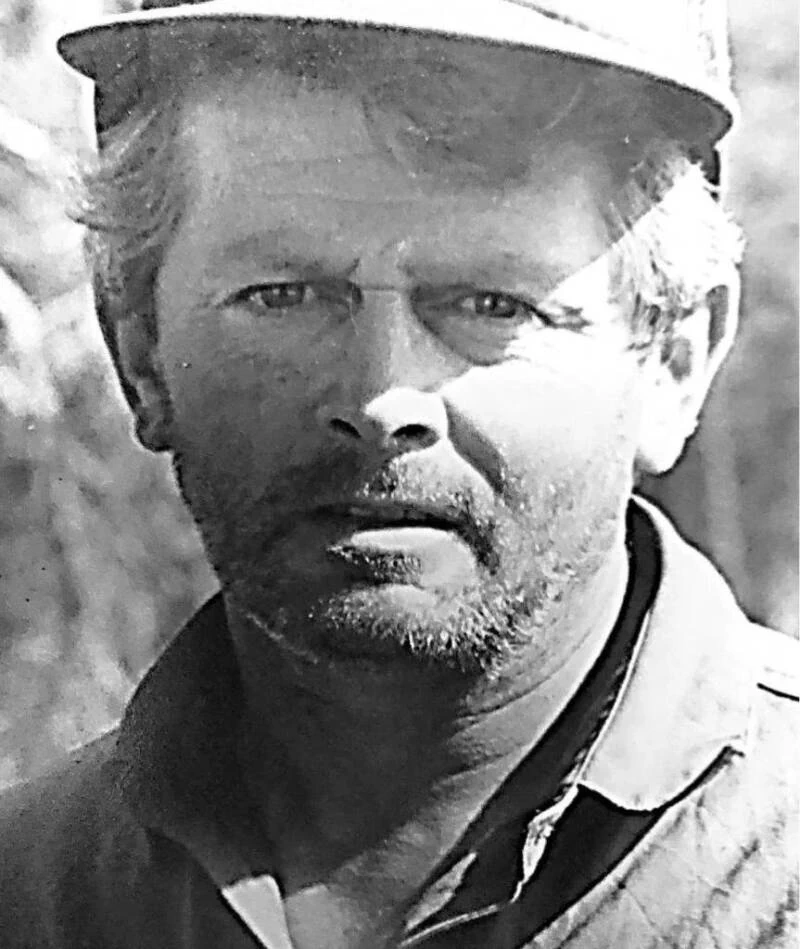
The pitch had all the ingredients of a modern suspect announcement. Poste had died in 2018, so he could not answer it. The Case Breakers described him as an Air Force veteran and housepainter with a darkroom, old photographs, forehead scars, alleged coded-message links, and a supposed trail of hidden or neglected evidence. In later public claims, the pile grew to include a High Sierra weapons-and-ammunition cache, DNA talk, FBI database talk, watches, paint, and people around Poste who allegedly knew more than they had said.
This is where the series has to be blunt.
Poste currently has fringe heat.
That does not mean every person who looked at him acted in bad faith. It means the public evidence does not carry the announcement. Law enforcement did not accept the solved-case framing. The FBI publicly said the Zodiac case remained open and unsolved, with no new information to report. Riverside police publicly rejected the claim that Bates belonged to the Zodiac case, saying they believed her murder was not affiliated with Zodiac. Those two facts do not prove Poste was impossible. They do mean the announcement did not land where it needed to land.
The scar claim is the easiest one to understand and one of the easiest to overvalue. Poste had forehead scars. Some Zodiac sketches appear to show forehead lines. The Case Breakers treated that resemblance as important. But police sketches are not biometric evidence. They are witness-assisted drawings, not facial-recognition scans. A line on a sketch does not become a fingerprint because a suspect has a line on his forehead.
The anagram or cipher lane is worse. One public version of the argument involved removing letters from Poste's full name from a Zodiac communication to reveal another message. That is not how evidence should work. A method that requires the suspect's name in advance is usually not discovery. It is backfitting. Without an independently validated cryptographic method, the name game belongs in the cautionary-example drawer.
The Bates/Riverside lane also has to stay separated from the confirmed case. The Zodiac case is already hard enough with the five confirmed victims. Bates may be worth discussing later in the disputed-victim article, because law enforcement and Zodiac researchers have debated Riverside for decades. But the Poste theory leans heavily on Bates while Riverside police reject the Zodiac connection. That matters. Poste does not get to borrow Bates as a Zodiac victim merely because the theory needs a southern California bridge.
The cache and forensic claims are the category that would matter most if they were real. The Case Breakers have publicly discussed DNA possibilities, weapons, ammunition, gun parts, shell casings, paint, a watch, and material allegedly passed out by people around Poste before or after his death. Those are the kinds of nouns that sound serious because, in a real chain, they would be serious.
But only if the chain exists. Who recovered the items? Where were they found? Who owned them? Were they recovered from a Poste-controlled place, or gathered from associates years later? Were they logged by law enforcement? Were they tested by an accredited lab? Did ballistics connect anything to Lake Herman Road, Blue Rock Springs, Lake Berryessa, or Presidio Heights? Did DNA connect Poste to authenticated Zodiac evidence? Until those questions have documents behind them, hidden evidence remains hidden from the article too.
That is the pattern with Poste. The claims keep gesturing toward the kind of evidence that would matter, then stopping one step before the evidence becomes public, testable, and tied to the confirmed crimes.
Poste belongs in Part 6 because the modern reader has heard the name. Leaving him out would make the article feel evasive. But he should not get the same oxygen as Allen, Doerr, or even Gaikowski. He is useful mainly as a warning: the Zodiac case is famous enough that a suspect announcement can become news before it becomes evidence.
Heat after the full suspect pass: fringe / unsupported.
Not impossible in the cosmic sense. Just not supported enough to treat as a serious answer.
The Unknown Offender: Annoying, But Still Winning
Here is the irritating truth.
The strongest suspect in the Zodiac case is still the unknown man who wrote the letters and committed the confirmed crimes.
That sounds like cheating, but it is the only honest center of gravity. The unknown offender has the crime-scene bridges. He had Stine's shirt. He made the Blue Rock Springs call. He wrote on Hartnell's car door. He knew enough about the confirmed attacks to authenticate himself, or at least to make law enforcement treat him as the killer. He moved through different counties, methods, weapons, and performance styles without leaving a named man behind.
Every named suspect has to compete with that.
Allen has the police trail, but the evidence resists him. Doerr has the paper trail, but not the scene bridge. Gaikowski has source-trail density and internet momentum, but not a hard link. Poste has a media announcement and a pile of claims that shrink under source discipline.
Meanwhile the unknown Zodiac sits there, infuriatingly plain, holding the evidence none of them can hold.
This is why the suspect list is so poor. Not because everyone ever named is ridiculous. Some are not. Allen is not ridiculous. Doerr is not ridiculous. Gaikowski is at least worth sorting. Even Poste is worth a concise explanation because the claim entered public consciousness.
The problem is that none of them closes the gap.
Why The Suspect List Fails
The Zodiac suspect list fails for five recurring reasons.
First, proximity keeps pretending to be presence. Vallejo, San Francisco, Napa, Riverside, Albany, Fairfield: maps make everything look close if the lines are thick enough. But a person near a geography is not a person at a murder scene.
Second, personality keeps pretending to be evidence. Weird men are not rare. Violent men are not rare. Men who write strange things are not rare. Men who own guns, knives, watches, books, ciphers, or bad ideas are not rare. The suspect has to be connected to the crimes, not merely to the atmosphere.
Third, the letters are overfed. Zodiac wrote so much, and so theatrically, that every suspect with a publication history starts looking tempting. But the letter record is anchored by crime details, shirt pieces, postmarks, envelopes, and investigative linkage, not by loose resemblance. A suspect's writing has to cross that evidentiary canyon. Resemblance is not enough.
Fourth, late memory is asked to lift too much. A delayed identification or recollection can be important, but it must be carried carefully. Trauma, publicity, time, and repetition do things to memory. Respecting a witness means not turning uncertainty into a trophy.
Fifth, bad logic is too entertaining. Anagrams. Sketch overlays. Symbol hunting. Name games. Mythic numerology. The Zodiac case invites all of it because the killer wanted to make himself feel like a puzzle. That does not mean he built a fair puzzle, or that the answer is waiting in a crossword grid with a suspect's name highlighted in red.
The case is not unsolved because nobody has been clever enough to notice that a word can be rearranged.
It is unsolved because the available evidence has not identified the man.
Where This Leaves Us
So who has the most heat?
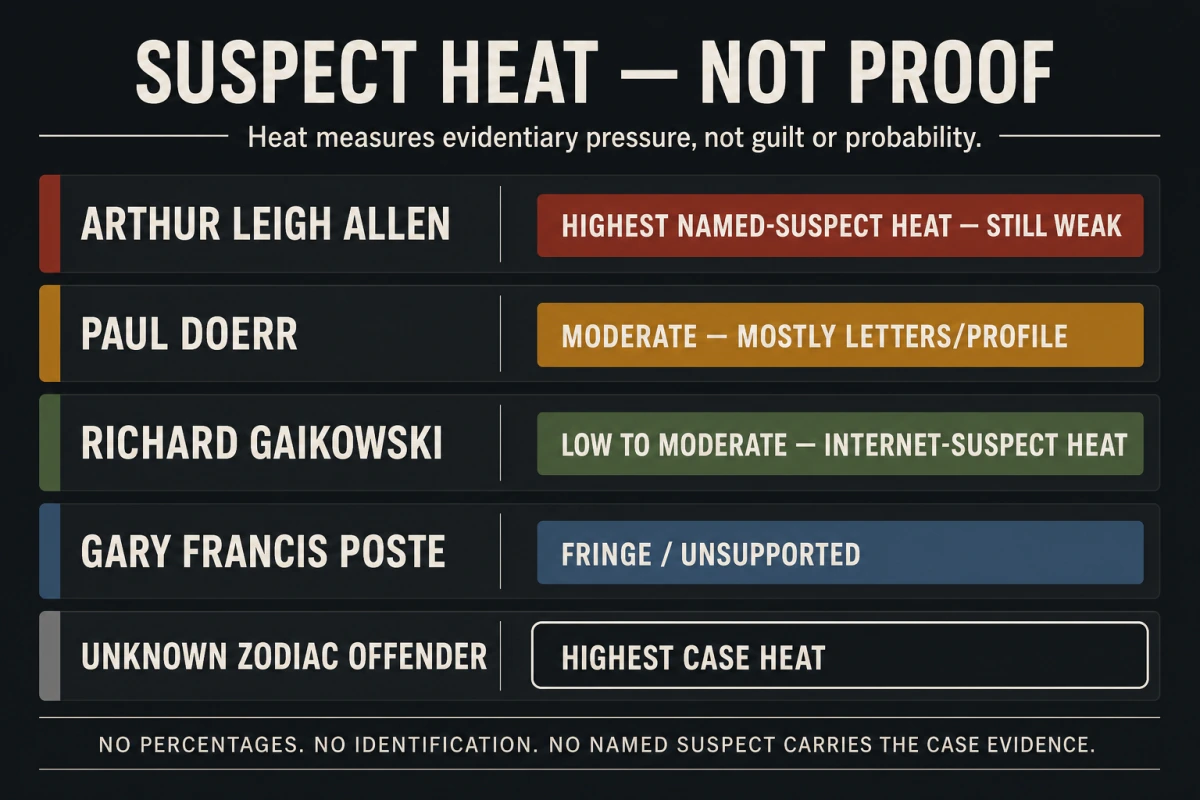
- Arthur Leigh Allen - highest named-suspect heat, still weak. Historically unavoidable, genuinely suspicious, and still limited by evidence that does not identify him.
- Paul Doerr - moderate heat, mostly letters/profile. Interesting because of documents and culture, but missing the crime-scene bridge.
- Richard Gaikowski - low to moderate internet-suspect heat. Source-rich and worth a skeptical look, but still thin where it matters most.
- Gary Francis Poste - fringe / unsupported. Publicly named, publicly newsworthy, and currently far weaker than the announcement suggested.
- Unknown Zodiac offender - highest case heat. The boring answer. The right answer until a named suspect can carry the same evidence.
Readers who followed my Jack the Ripper series (opens in a new tab) may notice the difference here. In that investigation, I eventually named Charles Cross, also known as Charles Lechmere, as my preferred suspect. I did that because, within the limits of the 1888 record, one suspect stood apart: direct presence at a crime scene, suspicious conduct, geography, timing, and a cumulative pattern that could be argued in a courtroom-style structure.
The Zodiac case does not give me that. It gives heat. It gives smoke. It gives strange overlaps, late identifications, source trails, forensic discounts, and suspects who look compelling until the hard evidence is asked to carry them. The problem is not that the Zodiac case is circumstantial; circumstantial cases can be strong. The problem is that the named Zodiac suspects keep running into evidence that does not merely fail to confirm them, but often pushes back. That is why this series will not end by naming a Zodiac. The method is the same. The evidence is not.
That is not satisfying.
Good. It should not be.
The Zodiac case punishes tidy thinking. The suspect pool is not empty, but it is bad. The letters are rich, but they do not name him. The witnesses matter, but they do not settle him. The forensics constrain, but they do not finish him. The best-known suspect remains compromised. The newer suspects remain underbuilt. The loudest modern claim remains mostly noise.
This is the point in the series where the shape of the ending starts to appear. We can build heat. We can sort claims. We can reject junk. We can respect the files. But unless a suspect can cross from interesting to identified, the case remains what it has always been: a confirmed killer surrounded by unconfirmed men.
And now the circle gets wider.
Because Zodiac did not only create suspects. He created possible victims, claimed victims, disputed victims, and a whole outer ring of cases that may belong to him, may have nothing to do with him, or may exist mainly because his letters taught everyone to look for his shadow everywhere.
That is where we go next.
Coming Up: The Phantom Case
Next comes the disputed borderland: Cheri Jo Bates, Kathleen Johns, Donna Lass, and the other names pulled toward Zodiac's orbit by letters, timing, geography, rumor, and investigative comparison. Some deserve serious discussion. Some are caution signs. None should be smuggled into the confirmed victim count just because the myth wants a larger body.
The confirmed case is hard enough. The phantom case is worse.
Which suspect do you think generates real heat, and which one collapses fastest under source discipline? Drop your thoughts below or on X with #ZodiacKiller.
Discussion
Thoughtful, good-faith discussion is welcome.
Loading comments…